Get Trip Hazard Removal in Longmont, CO
Local contractors in Longmont, CO, can handle trip hazard removal to fix uneven walkways, cracked stairs, or cluttered pathways, improving safety around residential and commercial properties.
Property owners in Longmont, CO, who are planning upgrades or repairs often encounter uneven surfaces or trip hazards that can pose safety concerns and affect the appearance of their outdoor spaces. Addressing these issues promptly can help prevent accidents and maintain the value of a property, whether for residential or commercial purposes. Exploring options for professional trip hazard removal ensures that the work is handled efficiently and effectively, with experienced local contractors who understand the specific needs of properties in the area.
Comparing local service providers can help property owners find the right solutions for their trip hazard removal projects. Many local contractors offer a range of services tailored to the unique conditions of Longmont’s outdoor environments. By reviewing available options and connecting with trusted professionals, property owners can plan their projects with confidence and ensure that safety and quality are prioritized throughout the process. Keep reading to learn more about how local experts can assist with your trip hazard removal needs.
- Sidewalk Repair - needed when uneven or cracked walkways pose a tripping hazard for pedestrians in neighborhoods like Longmont’s historic districts.
- Parking Lot Maintenance - essential for commercial properties with deteriorating or uneven surfaces that increase fall risks for visitors and employees.
- Indoor Floor Leveling - required when flooring inside homes or businesses becomes uneven due to settling or damage, creating potential trip points.
- Public Pathway Restoration - necessary for community parks and walkways where surface irregularities could cause accidents for visitors.
- Industrial Floor Repair - needed in warehouses or factories with uneven surfaces that may lead to slips and falls for workers.

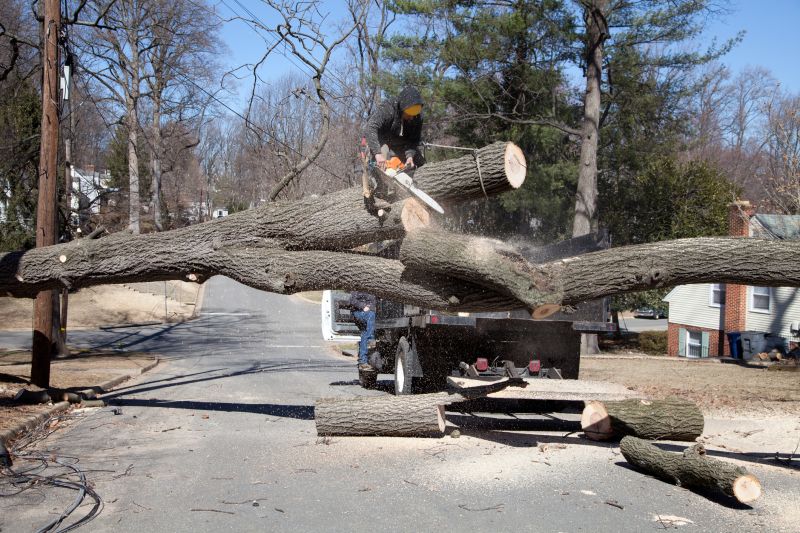
Trip hazard removal services focus on identifying and fixing uneven, cracked, or damaged surfaces that could cause someone to trip or fall. These services typically involve inspecting walkways, driveways, stairs, and other paved areas to locate areas where the surface has become loose, warped, or cracked over time. Once identified, contractors will repair or replace the affected sections to create a smooth, level surface that reduces the risk of accidents. This process helps ensure pathways are safe for everyone, including children, seniors, and individuals with mobility challenges.
Many common problems that trip hazard removal addresses include cracked concrete, uneven paving stones, loose or broken tiles, and sunken or raised sections of walkways. These issues often develop due to weather exposure, ground shifting, or general wear and tear. Left unaddressed, such hazards can lead to serious injuries, especially in areas with high foot traffic. By removing or repairing these hazards, property owners can create safer outdoor environments, helping to prevent potential liability issues and ensuring visitors and residents can move around confidently.
This service is frequently used on residential properties such as homes with driveways, sidewalks, and patios that have developed uneven surfaces over time. It is also common in multi-family complexes, apartment buildings, and community spaces where maintaining safe walkways is essential. Commercial properties, including retail stores, office buildings, and public facilities, often require trip hazard removal to comply with safety standards and provide a secure environment for customers and employees. No matter the property type, the goal is to eliminate hazards that could cause trips or falls, making outdoor spaces safer for all users.
Homeowners and property managers should consider trip hazard removal services when noticing cracked or uneven surfaces around their property. This is especially important if there are visible cracks, loose paving stones, or areas that have sunk or shifted. Addressing these issues promptly can prevent accidents before they happen. Local contractors who specialize in trip hazard removal can evaluate the property’s specific needs and perform repairs that restore the safety and integrity of outdoor walkways, ensuring the property remains a safe place for everyone to enjoy.
The overview below groups typical Trip Hazard Removal projects into broad ranges so you can see how smaller, mid-sized, and larger jobs often compare in Longmont, CO.
In many markets, a large share of routine jobs stays in the lower and middle ranges, while only a smaller percentage of projects moves into the highest bands when the work is more complex or site conditions are harder than average.
Smaller Repairs - For minor trip hazard removals such as fixing uneven pavement or small cracks, local contractors typically charge between $250 and $600. Many routine jobs fall within this range, depending on the scope of work and materials needed.
Moderate Projects - Larger repairs involving extensive patching or leveling of walkways usually cost between $600 and $1,500. These projects are common for residential sidewalks or commercial pathways requiring more detailed work.
Full Replacement - Complete replacement of sections or entire walkways can range from $1,500 to $4,000 or more, especially for larger areas or complex surfaces. Fewer projects reach the highest tiers, which are reserved for extensive or multi-site jobs.
Large-Scale or Complex Jobs - Major projects involving significant excavation, structural adjustments, or multiple locations can exceed $5,000. Such jobs are less frequent but are handled by local service providers equipped for complex work.
Actual totals will depend on details like access to the work area, the scope of the project, and the materials selected, so use these as general starting points rather than exact figures.
Sidewalk Repair - contractors skilled in fixing uneven or cracked concrete surfaces can also handle trip hazard removal to improve safety and accessibility.
Parking Lot Maintenance - local service providers experienced in asphalt and concrete work can address surface irregularities that pose tripping risks in parking areas.
Public Space Improvements - professionals who upgrade walkways and plazas often perform trip hazard removal as part of enhancing pedestrian safety.
Commercial Flooring Replacement - specialists in installing and repairing flooring can also manage surface leveling to prevent trips and falls indoors.
Playground Surface Installation - providers familiar with safety surfacing and ground leveling can help create even, hazard-free play areas for children.
Concrete Resurfacing - local contractors experienced in surface finishing can remove trip hazards through grinding, patching, and leveling techniques.
When evaluating service providers for trip hazard removal, it’s important to consider their experience with similar projects in the Longmont area or nearby communities. Homeowners should inquire about how long a contractor has been working on sidewalk or pathway repairs and whether they have handled projects of comparable size and complexity. An experienced local contractor will typically have a better understanding of common issues specific to the region’s terrain and climate, which can contribute to more effective and durable solutions.
Clear, written expectations are essential when choosing a trip hazard removal specialist. Homeowners should seek detailed descriptions of the scope of work, the materials to be used, and the methods involved in the repair process. Having this information documented helps ensure that both parties are aligned on the project’s goals and reduces the likelihood of misunderstandings. Reputable service providers often provide written estimates or proposals that outline these details, making it easier to compare options objectively.
Reputation and communication are key factors in selecting a reliable local contractor. Homeowners are encouraged to ask for references or examples of previous work to gauge the quality of a service provider’s results. Good communication throughout the project is also a sign of professionalism; responsive, clear, and transparent interactions can help address questions or concerns promptly. While the site introduces homeowners to local options, it’s important to remember that the actual work is performed by trusted service providers who can handle the specific needs of each project with expertise and professionalism.
Property owners in Longmont, CO use Trip Hazard Removal services for practical projects around their homes and businesses. This guide focuses on everyday jobs and straightforward project options.
Property owners in Longmont, CO may seek trip hazard removal services when uneven or cracked walkways, sidewalks, and pathways pose a risk of falls or injuries. These issues often arise from natural ground shifting, weather-related wear, or aging materials, making everyday outdoor areas unsafe for residents, visitors, or customers. Whether preparing a property for seasonal events or simply maintaining a safe environment, many find it helpful to connect with local contractors experienced in identifying and addressing common trip hazards efficiently.
In addition, property managers and homeowners might look for trip hazard removal when upgrading or repairing outdoor surfaces to improve accessibility and curb appeal. Sidewalks near driveways, entryways, or public spaces can develop uneven patches over time, especially in areas with freeze-thaw cycles typical of Longmont’s climate. Local service providers can assist with smoothing out these surfaces, helping property owners maintain safe, functional outdoor areas for residents, employees, or guests.
What are common causes of trip hazards in outdoor areas? Trip hazards can result from uneven pavement, cracked sidewalks, loose gravel, or protruding roots in outdoor spaces around Longmont, CO.
How can local contractors remove trip hazards safely? They typically assess the area, then repair or level surfaces, fill cracks, or remove obstructions to improve safety and accessibility.
Are there specific regulations for trip hazard removal in Longmont, CO? Local contractors are familiar with safety standards and best practices for maintaining safe walking surfaces in residential and commercial areas.
What types of surfaces do trip hazard removal services cover? Services often include repair work on concrete, asphalt, sidewalks, pathways, and other paved or hard surface areas prone to creating trip risks.
How do I find qualified service providers for trip hazard removal? You can contact local contractors through trusted lead generation platforms to compare options and connect with experienced professionals in your area.
Walkway Safety Improvements - Property owners can hire local contractors to remove trip hazards on sidewalks and pathways to ensure safe passage for visitors and residents.
Parking Lot Maintenance - Local service providers can help eliminate uneven surfaces and loose paving in parking areas to prevent accidents and liability issues.
Indoor Floor Repairs - Homeowners and business owners can have trip hazards addressed on interior flooring to create a safer environment for everyone.
Outdoor Surface Upgrades - Property managers can work with local pros to smooth out uneven outdoor surfaces like patios and walkways for better accessibility.
If you are thinking about Trip Hazard Removal for a property in Longmont, CO, this guide is meant to help you understand the work, the typical project types, and how different options might fit your plans.
When you are ready, you can use the quote form on this page to share a few details about your project. From there, local pros can review the basics and respond with options that match what you have in mind.